Eco-friendly lubricants only make sense if they still protect equipment properly. Through Motion, customers in Australia and New Zealand can access biodegradable lubricant options and oil-life solutions that help reduce environmental risk without compromising performance.
Conventional lubricants can create a difficult trade-off in environmentally sensitive operations. A spill near soil, waterways, farmland, or marine assets presents maintenance issues, compliance issues, clean-up costs, and – potentially – a reputational problem. That is why more operators are looking for products that reduce environmental impact while still standing up to hard service in agriculture, forestry, marine, and industrial work.
Biodegradable options for sensitive environments
In New Zealand, the FUCHS PLANTO range features rapidly biodegradable lubricants based on synthetic esters or vegetable oils, developed to achieve or exceed the technical performance expected of conventional mineral-oil-based lubricants. In practice, that gives customers a route to more environmentally considerate lubrication without defaulting to lower-grade protection.
Reducing oil use as well as oil impact
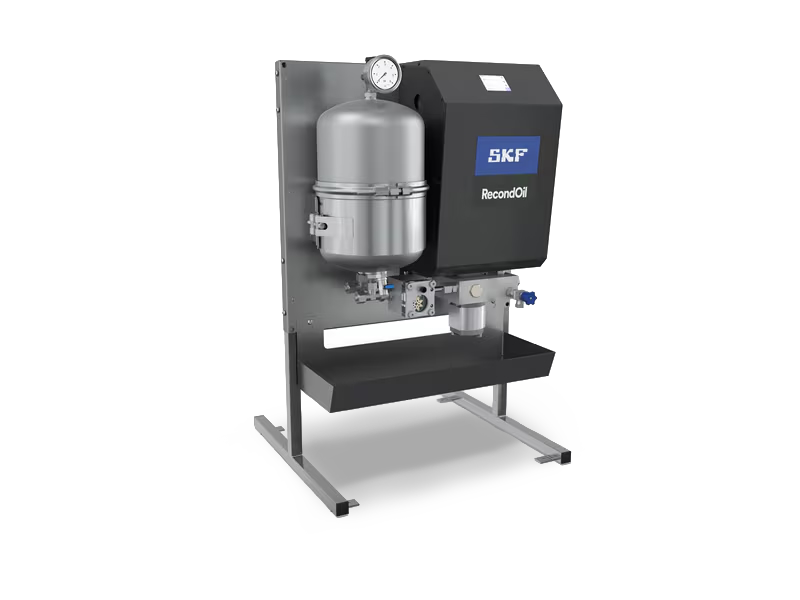
There is also another side to the sustainability equation: using less oil in the first place. SKF RecondOil takes that approach by regenerating circulating oil and removing contaminants that conventional filtration can miss. SKF says the technology can significantly extend oil life, reduce the need for oil changes, and improve machine performance, while also lowering the environmental burden associated with fresh oil supply, storage, and disposal.
A practical conversation, not a one-size-fits-all one
While no one eco-friendly product suits every application, Motion can help customers work through the options – whether that means biodegradable lubricants, longer-life oil strategies, or both – and identify the best fit for the equipment.