
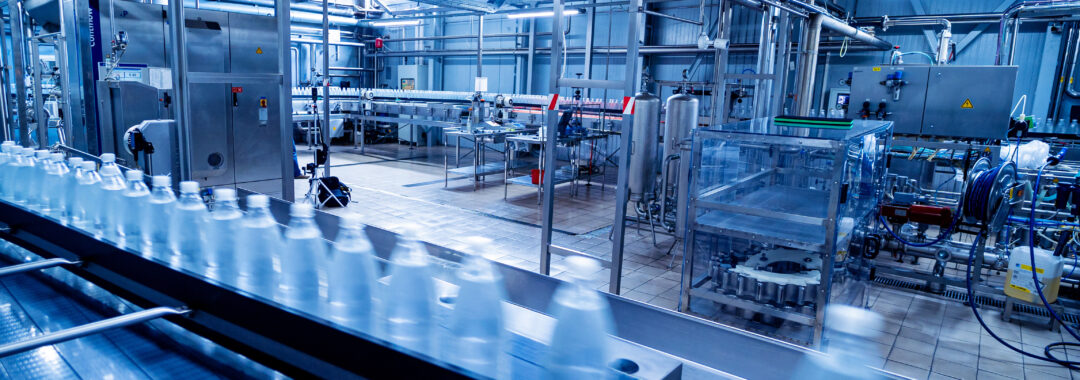
In food and beverage processing, a conveyor belt is not just a moving surface. It is part of the hygiene system, the uptime equation, and increasingly a way of meeting compliance requirements. Motion New Zealand’s light conveyor belting capability is designed to help processors respond to all three.
In food processing, a damaged or poorly specified belt can create problems quickly. Production stops. Hygiene risks rise. Maintenance teams scramble to replace a belt that should have lasted longer, or to solve a recurring issue that was never properly engineered out in the first place.
That is why Motion’s light conveyor belting offer in New Zealand covers specification, fabrication, onsite installation, and where needed, re-engineering the solution to better suit the application.
Tony Greene, National Heavy weight Conveyor & Export Sales Engineer at Motion, says the work often starts with a customer problem rather than a simple product request. “We can go into a food processing factory and replace a damaged conveyor or install a new one,” he says. “Or if they’re having issues around the life expectancy on a belt, we can re-engineer the solution for them, because downtime in food production is obviously quite costly.”
A different kind of conveyor challenge
Within Motion’s conveyor division, light conveyor belting sits apart from the heavy rubber belting used in mining and quarrying. In New Zealand, it is closely tied to food and beverage, packaging, logistics, and automation, with strong demand across industries such as meat processing, produce handling and wider food manufacturing.
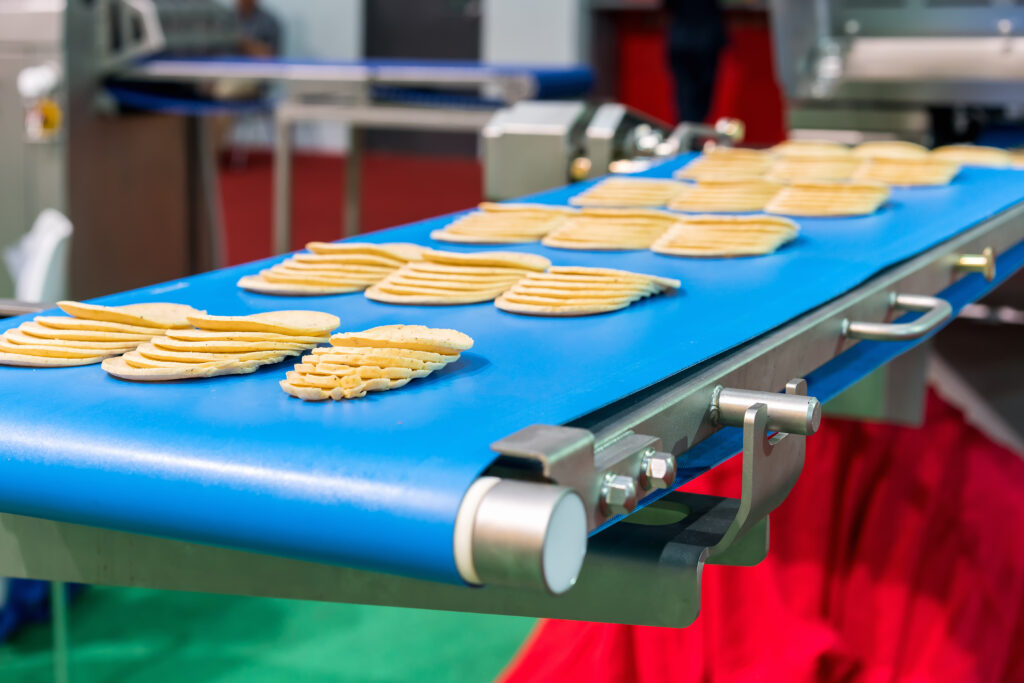
The technical demands are different too. In these environments, performance is not only about moving product. It is also about cleanability, hygiene, product safety, and the ability to meet increasingly strict standards.
Hygiene is driving belt selection
Greene says one of the biggest shifts in the New Zealand market has been the growing focus on bacteria control and swab-test performance. “MPI [Ministry for Primary Industries] and others will come in and do swab testing on the componentry in the plant,” he says. “That has made us take a shift from traditional fabric belts to homogeneous belting.”
That matters because homogeneous belts are better suited to high-hygiene applications where pathogen control and low bacterial counts are critical.
Greene also points to newer developments such as metal-detectable belting, which adds another layer of product protection. If a fragment of belt were ever to break away, the material can be picked up through detection systems before it becomes a consumer issue. In high-care food production, that kind of safeguard is increasingly valuable.
A nationwide, one-stop offer
Motion’s capability is broader than belting alone. While there are competitors who may specialise in one part of the conveyor equation, Greene says Motion’s advantage is the ability to bring multiple disciplines together.
“If you wanted to build a new conveyor, you might normally be going to one company for belting, another for bearings, and another for your gearbox and motor drive,” he says. “Motion can do the whole lot, like a turnkey solution.”
That is an important point for processors trying to reduce complexity. Rather than managing multiple suppliers and interfaces, they can work with one partner across belting, bearings, power transmission, and installation support.
Motion also supports customers nationwide. Even where work is fabricated offsite, belts and assemblies can be produced in workshop locations and sent directly to site, giving customers a practical mix of local capability and national reach.
For New Zealand’s food and beverage sector, that combination matters. High standards are already a given. The next step is meeting our customers with equipment solutions that are cleaner, smarter, and easier to keep running.