
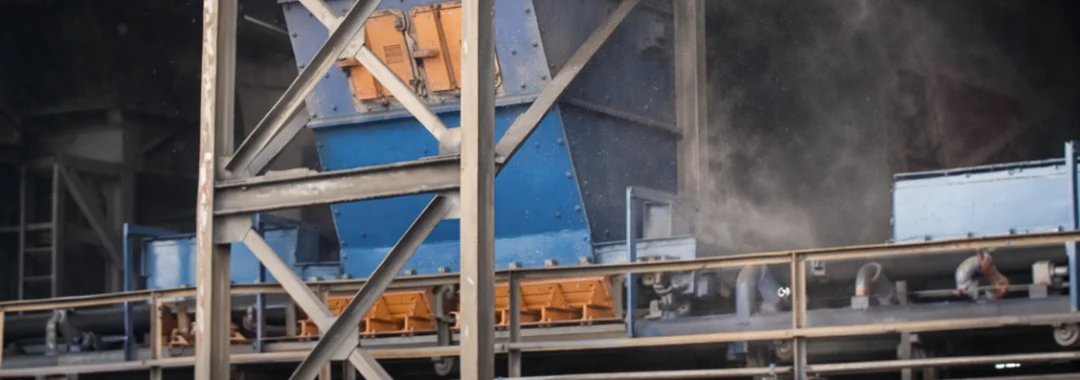
At high-dust processing sites, airborne particulate is more than a housekeeping problem. Motion New Zealand’s Conveyance Solutions team helps operators contain dust at the source – improving health and safety, reducing cleanup, protecting equipment, and keeping more product on the belt.
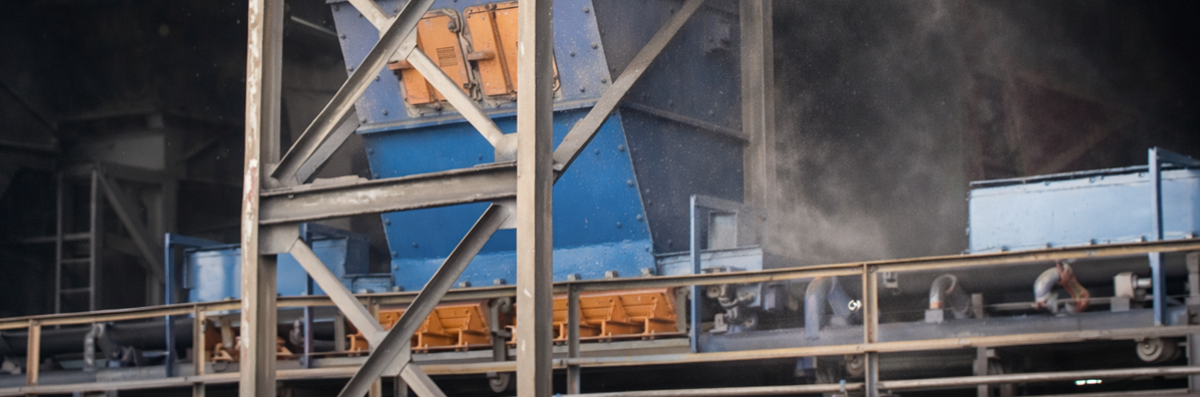
Across heavy processing environments, the worst dust problems often start in the same place: conveyor transfer points. Material drops from one belt to the next, hits steelwork inside a chute or hopper, and a dust plume follows – settling on walkways, structures, equipment and electricals, or escaping into the wider environment.
Alan Harris, Motion Conveyance Solutions – NZ Manager, says the original driver for many sites seeking greater efficiency is simple efficiency. “Industry associations have recognised that companies can lose between one and three per cent of their load as airborne dust or fugitive material coming off the belt,” he says. “That dust is actually product – and when it doesn’t stay on the belt, it ends up on the floor, under the conveyor, or stuck to the underside of the belt.”
For a large New Zealand industrial processing site, the impact went well beyond product loss. The customer was also managing tighter expectations around worker exposure to fine particulate, plus heightened scrutiny on environmental discharge – particularly where dust can wash into stormwater and waterways.
“We’re now dealing with four issues at once,” Harris says. “There’s a health and safety issue, an environmental issue, a production issue, and a maintenance issue – where product build-up can cause damage and breakdowns.”
The challenge
Airborne dust creates immediate safety risks: reduced visibility, slip hazards from build-up on floors and walkways, and increased cleaning demands that drive downtime and labour costs. Over time, dust ingress accelerates wear on rotating equipment, rollers and bearings, and can shorten the life of electrical components.
In certain materials and operating conditions, dust accumulation can also increase fire or explosion hazards – adding another layer of risk that sites must manage through better containment, housekeeping and controls.
The solution
Motion’s dust suppression approach focuses first on controlling impact energy and keeping material flow stable at the transfer point.
“The first thing we look at is anywhere product bangs against a conveyor structure,” Harris explains. “As it bangs around in the hopper, it throws up dust. Then as it hits the belt, it creates another cloud of dust.”
To reduce that impact, Motion specifies engineered chute and transfer solutions that guide material onto the receiving belt more gently. “By using deflector plates, we can help the product land on the belt at an angle close to the belt’s direction,” Harris says. “That reduces the impact.”
Next comes containment – holding dust in place long enough for it to settle back onto the belt. “In some cases, that might take 10, 15, 20 metres,” Harris says. “So, we build an enclosure over that section to contain the dust until it settles.”
Sealing is critical. “If there are gaps, the dust will ‘pump’ out,” he says. “So, we focus on the belt support and sealing underneath – using sealed slider systems rather than relying on rollers, because sag between rollers is where dust escapes.”
Where required, Motion also uses collection and settling aids that give dust a controlled space to go, rather than venting into the building. “We can hang collection bags from the enclosure so dust has somewhere to expand and then settle back down,” Harris says.
The result
With transfer points properly engineered and sealed, customers typically see cleaner floors and structures, improved visibility, reduced clean-up and fewer dust-related maintenance events. Just as importantly, more product stays on the belt – supporting throughput and reducing waste.