

In mining, fuel quality can have a direct impact on equipment reliability. Motion and Atmus help customers protect critical diesel assets with Fleetguard bulk filtration and heavy-duty coolant solutions.
In mining and heavy-duty operations, reliability begins before fuel reaches the machine. Diesel may pass through delivery systems, bulk storage tanks, pumps, and dispensing equipment before it ever enters a haul truck, loader, dozer, or generator. At each point, dirt, water, and other contaminants can enter the fuel supply.
That makes bulk fuel filtration a critical first line of defence. By cleaning fuel between the storage tank and the equipment fuel tank, Motion and Atmus help customers reduce the risk of avoidable component damage, unplanned maintenance, and lost production.
The Challenge: Contamination before the machine
On a remote open-pit mining site, fuel quality was becoming a reliability problem.
The site was experiencing frequent fuel filter blockages, injector failures across multiple haul trucks, rising maintenance costs, and production delays linked to equipment downtime. Fuel testing showed high particulate contamination, water in bulk storage, and evidence of microbial growth.
For mining operations, the consequences can be significant. A haul truck is not operating in isolation. It is part of a tightly scheduled production chain that can include loading, hauling, crushing, and processing. If one asset stops, the impact can move quickly through the site.
“In mining, even a single injector or pump failure can cost tens of thousands in parts, labour, and lost production,” says Fellipe Ramos, Category Manager Fluid Control Systems Asia Pacific at Motion. “Clean fuel is about protecting the whole operation, not just protecting one component.”
The Solution: Cleaning fuel at the source
For this mining site, the solution was to install a Fleetguard bulk fuel filtration system on the main dispensing line. The system included a water-separating pre-filtration stage, fine micron secondary filtration, and basic fuel quality monitoring practices.
“Bulk fuel filtration sits between the storage tank and the equipment fuel tank,” Ramos says. “Its role is simple but critical: remove contaminants before fuel ever reaches the machine.”
That matters because modern diesel engines use high-pressure fuel systems with extremely tight tolerances. Even small particles can cause abrasive wear, injector damage, poor spray patterns, reduced combustion efficiency, and fuel pump scoring. Water contamination can also lead to pitting, corrosion, and microbial growth.
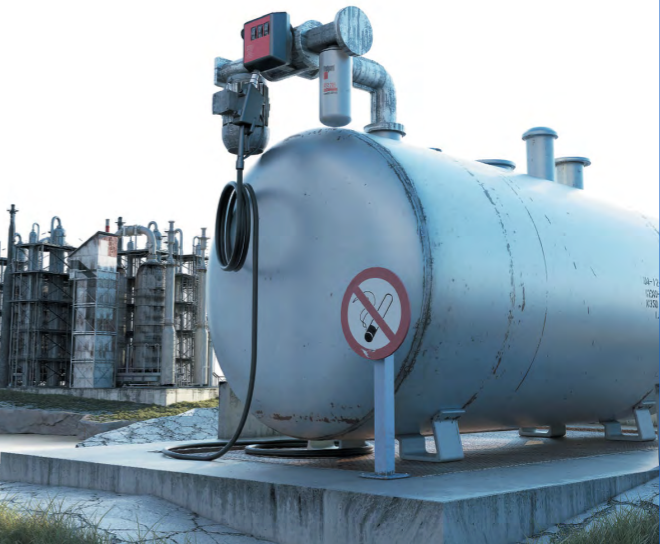
Fleetguard bulk filtration systems are designed to remove fine particulates, separate free water, reduce contamination risk, and protect downstream equipment. By cleaning fuel before it reaches onboard filters and high-value engine components, sites can reduce premature filter plugging and support planned service intervals.
The Outcome: Less downtime, better utilisation
Following installation, the site saw a significant reduction in onboard filter changes, fewer injector-related failures, improved equipment uptime, and lower maintenance cost per operating hour.
For remote mining customers, this outcome is especially valuable. Many sites operate hundreds of kilometres from major service centres, depend on scheduled maintenance windows, and may require emergency freight or fly-in support when failures occur.
“A failed injector in a city workshop is inconvenient,” Ramos says. “A failed injector on a remote mine site can stop production, require emergency parts freight, and extend downtime significantly.”
Bulk filtration gives sites a proactive way to protect utilisation rates. When equipment runs 20 to 24 hours per day under heavy load and in high-dust environments, fuel cleanliness becomes part of the reliability strategy.