CLEANER TRANSFERS, SAFER SITES

At high-dust processing sites, airborne particulate is more than a housekeeping problem. Motion New Zealand’s Conveyance Solutions team helps operators contain dust at the source – improving health and safety, reducing cleanup, protecting equipment, and keeping more product on the belt. 

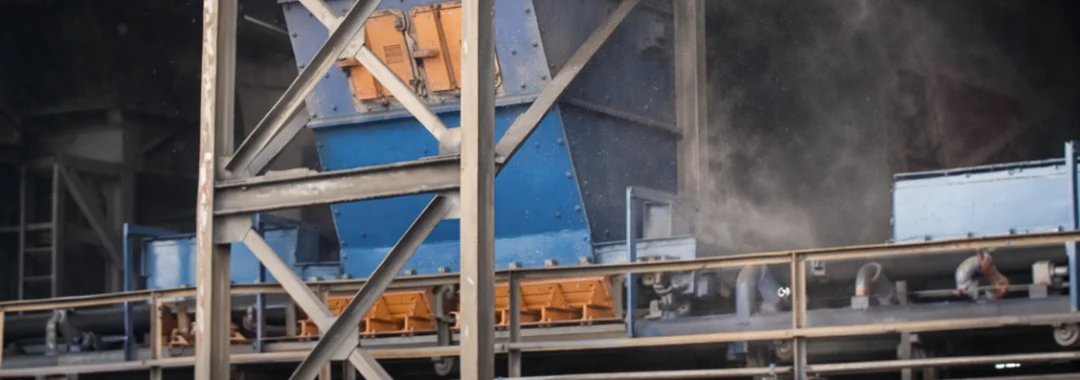
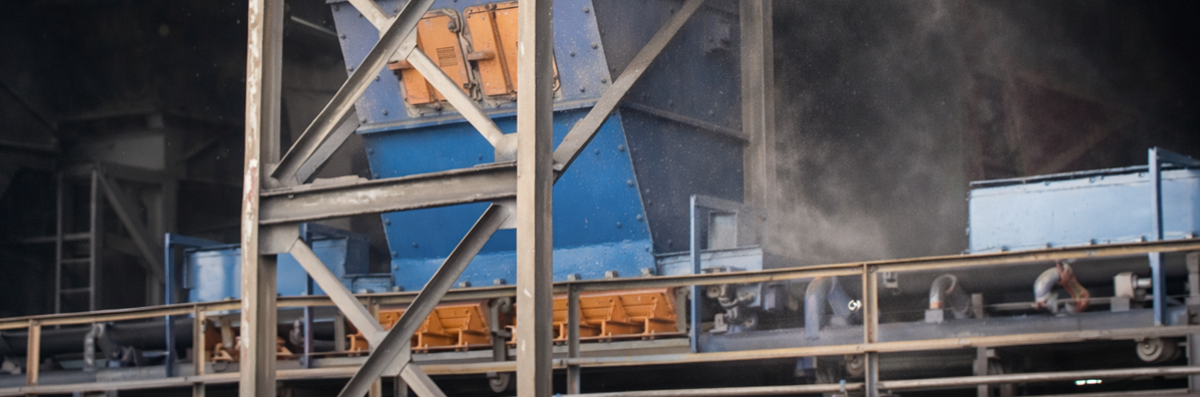
Across heavy processing environments, the worst dust problems often start in the same place: conveyor transfer points. Material drops from one belt to the next, hits steelwork inside a chute or hopper, and a dust plume follows – settling on walkways, structures, equipment and electricals, or escaping into the wider environment. 

Alan Harris, Motion Conveyance Solutions – NZ Manager, says the original driver for many sites seeking greater efficiency is simple efficiency. “Industry associations have recognised that companies can lose between one and three per cent of their load as airborne dust or fugitive material coming off the belt,” he says. “That dust is actually product – and when it doesn’t stay on the belt, it ends up on the floor, under the conveyor, or stuck to the underside of the belt.” 

For a large New Zealand industrial processing site, the impact went well beyond product loss. The customer was also managing tighter expectations around worker exposure to fine particulate, plus heightened scrutiny on environmental discharge – particularly where dust can wash into stormwater and waterways. 

“We’re now dealing with four issues at once,” Harris says. “There’s a health and safety issue, an environmental issue, a production issue, and a maintenance issue – where product build-up can cause damage and breakdowns.” 

The challenge 

Airborne dust creates immediate safety risks: reduced visibility, slip hazards from build-up on floors and walkways, and increased cleaning demands that drive downtime and labour costs. Over time, dust ingress accelerates wear on rotating equipment, rollers and bearings, and can shorten the life of electrical components. 

In certain materials and operating conditions, dust accumulation can also increase fire or explosion hazards – adding another layer of risk that sites must manage through better containment, housekeeping and controls. 
The solution 

Motion’s dust suppression approach focuses first on controlling impact energy and keeping material flow stable at the transfer point. 

“The first thing we look at is anywhere product bangs against a conveyor structure,” Harris explains. “As it bangs around in the hopper, it throws up dust. Then as it hits the belt, it creates another cloud of dust.” 

To reduce that impact, Motion specifies engineered chute and transfer solutions that guide material onto the receiving belt more gently. “By using deflector plates, we can help the product land on the belt at an angle close to the belt’s direction,” Harris says. “That reduces the impact.” 

Next comes containment – holding dust in place long enough for it to settle back onto the belt. “In some cases, that might take 10, 15, 20 metres,” Harris says. “So, we build an enclosure over that section to contain the dust until it settles.” 

Sealing is critical. “If there are gaps, the dust will ‘pump’ out,” he says. “So, we focus on the belt support and sealing underneath – using sealed slider systems rather than relying on rollers, because sag between rollers is where dust escapes.” 

Where required, Motion also uses collection and settling aids that give dust a controlled space to go, rather than venting into the building. “We can hang collection bags from the enclosure so dust has somewhere to expand and then settle back down,” Harris says. 

The result 

With transfer points properly engineered and sealed, customers typically see cleaner floors and structures, improved visibility, reduced clean-up and fewer dust-related maintenance events. Just as importantly, more product stays on the belt – supporting throughput and reducing waste. 
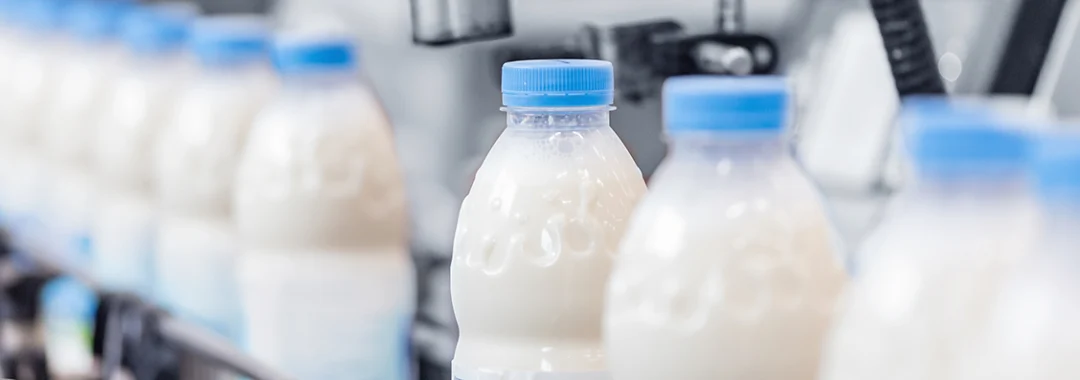
KEEPING DAIRY IN MOTION

New Zealand dairy runs on reliability, with zero tolerance for breakdowns that disrupt quality or schedules. Motion supports the sector with compliant products, food-grade lubrication, and practical engineering that lifts uptime and lowers total cost of ownership. 

“In New Zealand, dairy has got its own set of requirements for its approvals for products that go into that dairy sector,” says Neil Hulme, General Manager – Industrial Products at Motion. “Those expectations can be different to other food categories. Our job is to understand the requirement and plug in the right, compliant solution.” 

Cleaner lubrication, longer asset life 

Lubrication is a prime example. “We’ve got food-grade lubricants that are manufactured in facilities that run the same requirements as a dairy factory,” Hulme explains. “That’s clean-room environment, the products going into the lubricants are of a set standard. And we’ve even got some food-grade lubricants that become part of the food product through a process.” For operators, that means audit-ready compliance, reduced contamination risk, and longer-lasting, cleaner-running assets. 

From farm gate to factory floor 

Dairy operations depend on consistent performance across a wide spread of equipment – from transfer and handling through to processing and packaging. Motion supports maintenance teams with fit-for-purpose products and technical support that reduce failure points and help standardise what “good” looks like across sites, so teams can spend less time firefighting and more time preventing issues. 

Evolving the solution, not just supplying parts 

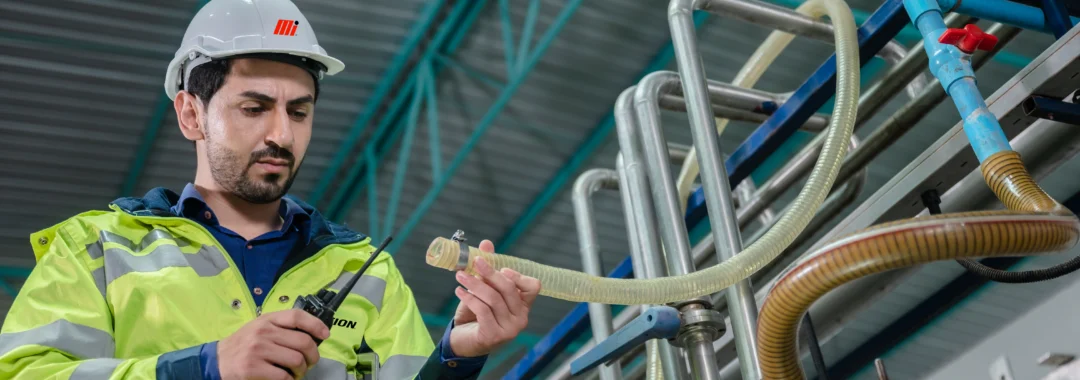
Proactive improvement is part of the offer. As Hulme puts it: “It wasn’t our customer that came to us and said, ‘We’ve designed this milk hose.’ It was us that went to them and said, ‘We’re constantly evolving the hose.’” That trusted-advisor approach helps Motion introduce better-performing components, smarter lubrication strategies, and practical installation methods that improve hygiene outcomes and extend service life. 

In an industry that can’t pause for breakdowns, Motion helps keep dairy moving. 

FORESTRY IN MOTION

Forestry is unforgiving work. Motion’s technical support, rugged components, and engineering know-how are helping loggers reduce risk and extend asset life.

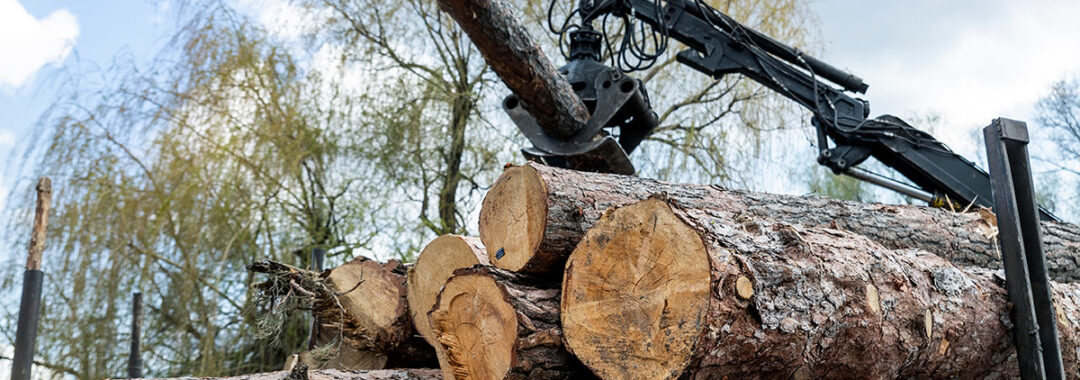
Forestry machinery in New Zealand works some of the hardest hours in the most punishing conditions. From clear-felling in the ranges to processing at the landing, the demands placed on equipment are relentless. This is not an industry where you can cut corners – if a bearing fails or a slew ring cracks, productivity stalls, safety risks spike, and cost stacks up fast.

That’s why Motion takes a boots-on-the-ground approach. Their team works closely with OEMs, contractors and maintenance crews to deliver componentry that’s not just fit for purpose but engineered for endurance.

“This stuff gets beaten up,” says Neil Hulme, General Manager – Industrial Products at Motion. “We’re working with local OEMs that build processing heads for excavators, and our job is to help make those heads tougher. That might mean supplying a stronger slew ring, or designing a more robust bearing assembly that can handle the loads. The goal is to keep that gear in the bush for longer – not in the shop.”

That on-the-ground understanding informs every Motion solution – from heavy-duty hydraulic hose assemblies to drive components custom-fit to cope with shock loading and long duty cycles.


“Processing heads from when they first started out, used to do a log this size,” Hulme explains, gesturing to the original standard. “Now they can cope with a log twice that size. So what does that mean to a forestry crew owner or contractor? It means that they can process a bigger log, faster – and more uptime. But it also means heavier components, more force, and more pressure on every moving part. That’s where we come in.”

With 31 branches across New Zealand and a network of workshops, Motion supports forestry operations nationwide – not only with stock and servicing, but with upstream partnerships that improve machine performance from the factory floor.

“There’s quite a number of equipment manufacturers here in New Zealand,” Hulme adds. “We work with them, these OE manufacturers, around things like bearings and slew rings – components that go into the machines right at the start, before they’re even sold. These heads are going on to excavators that are heading to export markets. So the build quality has to be right – and the parts need to hold up under international conditions.”

That means Motion isn’t just a supplier. It’s a partner in the performance of forestry gear from design to delivery.

“There are two big focus areas in forestry right now,” says Hulme. “One is automation – using technology to make operations quicker, more reliable, and safer. The other is durability. That’s our space. We’re here to help make the equipment last.”

With local insight, engineering expertise, and a national footprint, Motion is helping forestry businesses stay productive, stay safe – and manage the inevitable wear and tear of a tough business. 

SMART SUPPORT FOR A DEMANDING SECTOR​

As New Zealand’s food and beverage industry grows in scale and complexity, the pressure on plant reliability and contamination control has never been higher. 

Motion is helping manufacturers meet these challenges head-on – with integrated solutions, predictive service, and a hands-on engineering team.

Clean, consistent, compliant – these are the non-negotiables for food and beverage production in New Zealand. And as production lines run longer hours and pack more output per shift, equipment and component reliability grows from a mere maintenance issue to a commercial imperative.

At Motion, this reality is well understood. The company has deep experience supporting the unique demands of food producers, wineries, dairies, and beverage processors across the country – and has shaped its services accordingly.

“Food and beverage is a big part of our business,” says Courtney Ireland, General Manager – Value Added Products at Motion. “It’s probably even more important for us in New Zealand than it is in Australia. Our customers in this sector are dealing with real pressures around hygiene, uptime, and traceability – and we’re working alongside them to provide systems and components that meet those needs, from hose assemblies to sealing solutions.”

That work spans frontline support and proactive product development. In one case, Motion developed a metal-detectable seal compound that can be picked up by foreign matter detection sensors, preventing contaminated batches from reaching the public.

“As those lines run faster, and the tolerance for risk gets lower, our role becomes even more critical,” says Neil Hulme, General Manager – Industrial Products. “We’re not just dropping off parts. We’re thinking about how to extend the life of that part, how to reduce the chance of contamination, and how to help that customer get the most out of their production.”

The company’s technical footprint goes well beyond product supply. “There’s no one in New Zealand that does what we can do in its entirety,” says Hulme. “We’ve got technical teams that can design and manufacture solutions in-house, including a team of qualified engineers. We can mobilise that expertise across every product we supply and every industry we serve – including the highly regulated, high-pressure environment of food production.”

That capability shows up in little ways that make a big difference.

“If a lubricant’s running into a food line, we know what grade it needs to be and which global approvals it must meet,” Hulme says. “That’s something we talk through with the customer – where the product is going, which export markets they’re supplying, and what certifications are required. We work backwards from there.”

With 31 branches across New Zealand and a national team of field service technicians, Motion backs up its design capabilities with on-the-ground support. Predictive maintenance tools like vibration analysis, hose tracking, and condition monitoring help customers plan around shutdowns rather than being blindsided by them.

“Even though Motion in New Zealand is relatively small in the context of the global Motion business, we’re able to access the technical and supply capability of a global business to support local customers across the country,” says Ireland.

As New Zealand’s food and beverage producers grow to meet global demand, Motion is helping ensure their operations grow with them – cleanly, safely, and with engineering to match.